


The minimum payment is the most prominent number on a card statement and the least useful guide to what you should actually pay.
How It Is Calculated
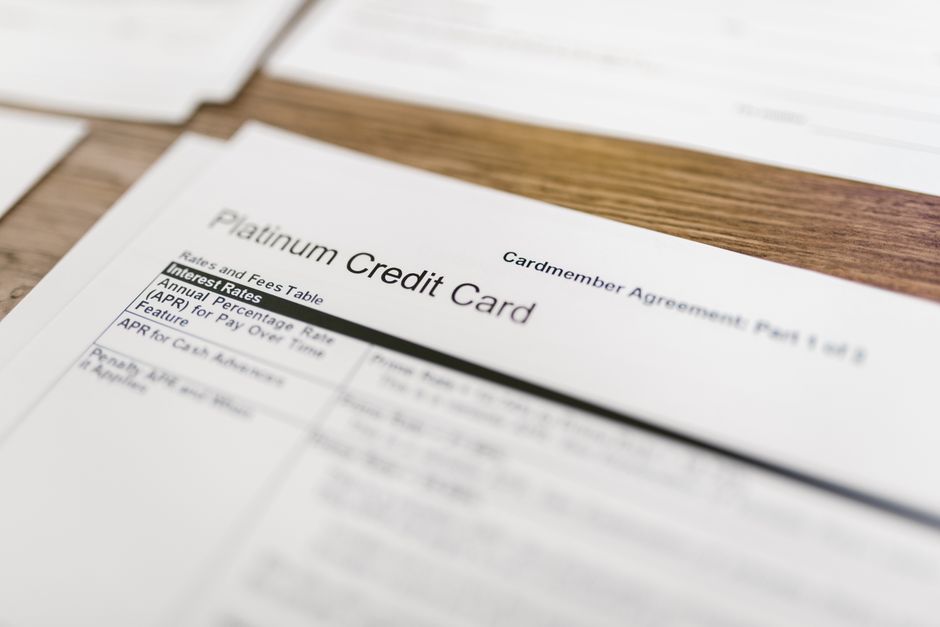
A minimum payment is typically a small percentage of the outstanding balance plus any interest and fees accrued during the period, subject to a stated floor amount.
Because the percentage applies to a declining balance, the required payment falls as the balance does, which extends the repayment period considerably compared with a fixed payment.
The calculation is designed to keep the account current and profitable rather than to clear the debt. This is disclosed and is not widely understood by cardholders.
On a balance carrying interest, a large share of the minimum covers the interest itself, leaving only a small amount to reduce the principal.
At higher rates the proportion going to principal shrinks further, which is why expensive balances feel immovable despite consistent payments.
Knowing the structure is usually enough to change behavior, since the arithmetic is more persuasive than any general advice.
Regulators in several markets have raised the required minimum over the years precisely because the original levels extended repayment almost indefinitely. The current figures are higher than they once were and are still calculated to produce slow repayment rather than rapid clearance.
What Paying Only the Minimum Costs
Statements are required to show how long repayment takes at the minimum payment and what the total cost would be, and the figures are frequently startling.
For a moderate balance at a typical rate, the timeline is often measured in many years and the total interest can approach or exceed the original amount.
These figures assume no further purchases, which is rarely true. Continued use extends the timeline well beyond what the disclosure shows.
The cost compounds because carrying a balance also removes the grace period, which means new purchases begin accruing interest immediately.
Across a long period, the amount spent on interest is money that produced nothing, which is the clearest argument for accelerating repayment.
Reading that box on your own statement is the single most useful two minutes available to anyone carrying a card balance.
The disclosure also usually shows what payment would clear the balance within three years and what that scenario costs in total. Comparing the two figures side by side is more persuasive than any advice, because the difference is entirely within the cardholder control.
Why Fixed Payments Work Better
Continuing to pay the same amount as the balance falls directs an increasing share to principal, which shortens the timeline dramatically compared with a declining minimum.
The difference between a fixed payment and a percentage based one is substantial even when the starting amounts are identical.
Setting the fixed amount at a level you can sustain through difficult months is more effective than setting an ambitious one that gets abandoned.
Automating the fixed payment removes the monthly decision, which is what causes the amount to drift downward over time.
Any additional amount above the minimum goes entirely to principal, which means even modest increases produce disproportionate results.
Review the amount annually and increase it when income allows, since each increase accelerates the remainder.
Set the fixed amount using your current minimum as a floor rather than a target. Whatever you are already paying is affordable by definition, and holding that amount steady as the balance falls is the single change that shortens the timeline most.
The Backstop Role of the Minimum
Despite its drawbacks, an automatic minimum payment is worth setting up on every card as protection against a missed payment.
A missed payment produces a fee, a potential penalty rate and a credit report entry that can affect borrowing terms for years, all of which are far worse than paying a minimum.
The automatic minimum costs nothing in months when you pay in full, since the balance is already cleared by the time it would apply.
It protects against illness, travel and ordinary forgetfulness, which are the most common causes of missed payments among people who could easily afford them.
Keep a buffer in the funding account so the automatic payment never fails for insufficient funds.
This arrangement captures the protective value of the minimum while avoiding its cost as a repayment strategy.
Check that the automatic minimum does not discourage you from paying the full amount. Some people see a scheduled payment and assume the month is handled, which turns a protective arrangement into a reason to carry a balance.
Getting Out of the Pattern
Stop adding new purchases to a card you are paying down, since repayment and continued use together produce very slow progress.
Pay more than the minimum by whatever amount is sustainable, and automate that figure so it does not depend on a monthly decision.
Target the highest rate balance first if several exist, since that minimizes total cost across the repayment period.
Consider a balance transfer or a consolidation loan if the arithmetic supports it, while recognizing that both require a repayment plan to work.
Build a small buffer alongside repayment so that an ordinary surprise does not send the balance back up.
Check the repayment disclosure again after a few months of higher payments, since watching the projected timeline shorten is what sustains the effort.
Tell anyone sharing the account what the plan is. A repayment effort undermined by continued use on a second card attached to the same balance is a common and entirely avoidable way for these plans to stall.